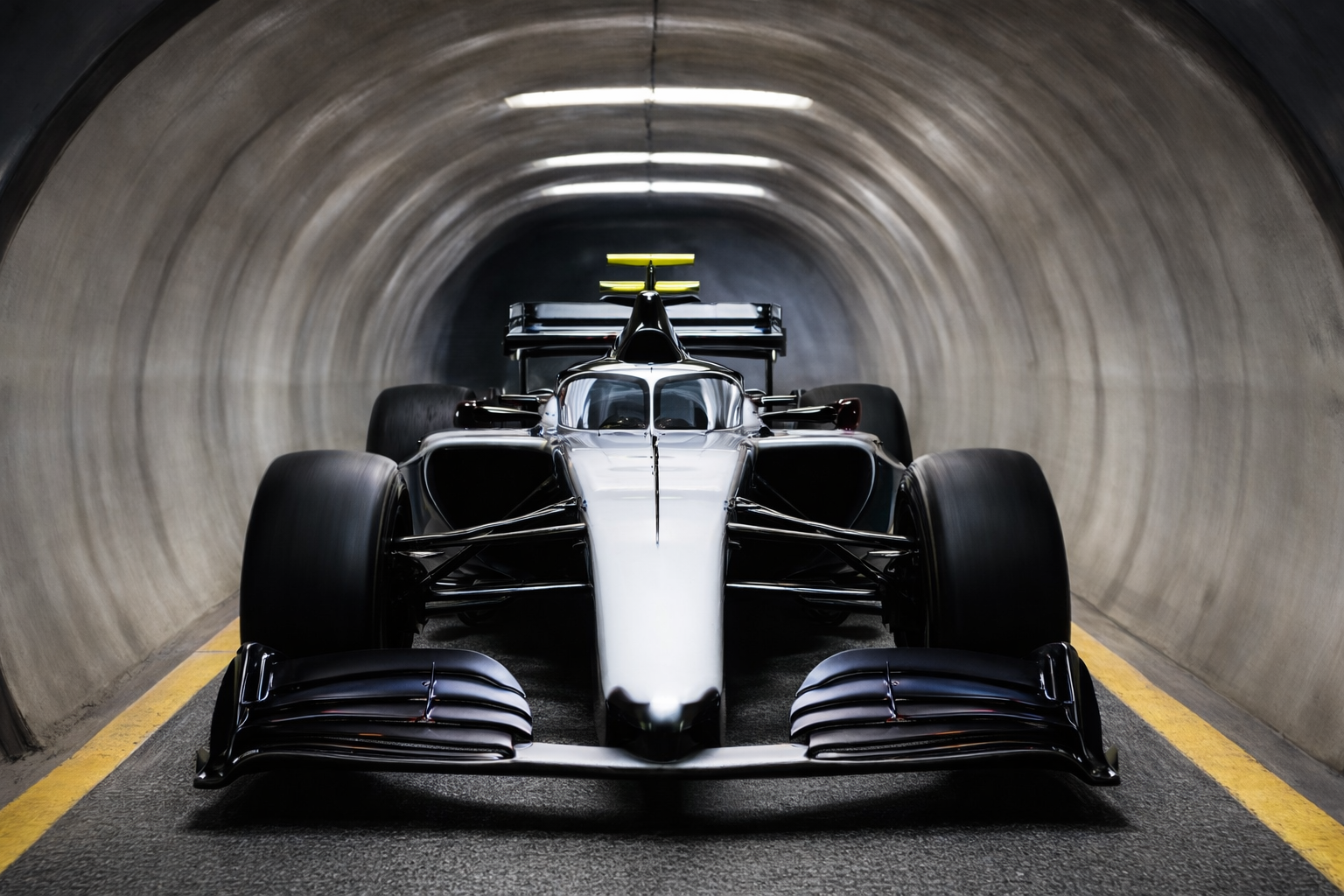
Engineering the Impossible: The Science of F1 Downforce
Discover how F1 cars use air to defy gravity, generating enough downforce to theoretically drive upside down on the ceiling of a tunnel.
In Formula 1, the air is either your greatest ally or your worst enemy. Aerodynamics is the silent force that allows these cars to corner at lateral forces exceeding 5G.
The Concept of Downforce
While airplanes use wings to create lift, F1 cars use inverted wings to create downforce. This pushes the tires into the track, increasing grip without adding significant weight. At 150 mph, a modern F1 car generates roughly 750kg of downforce.
Key Innovations
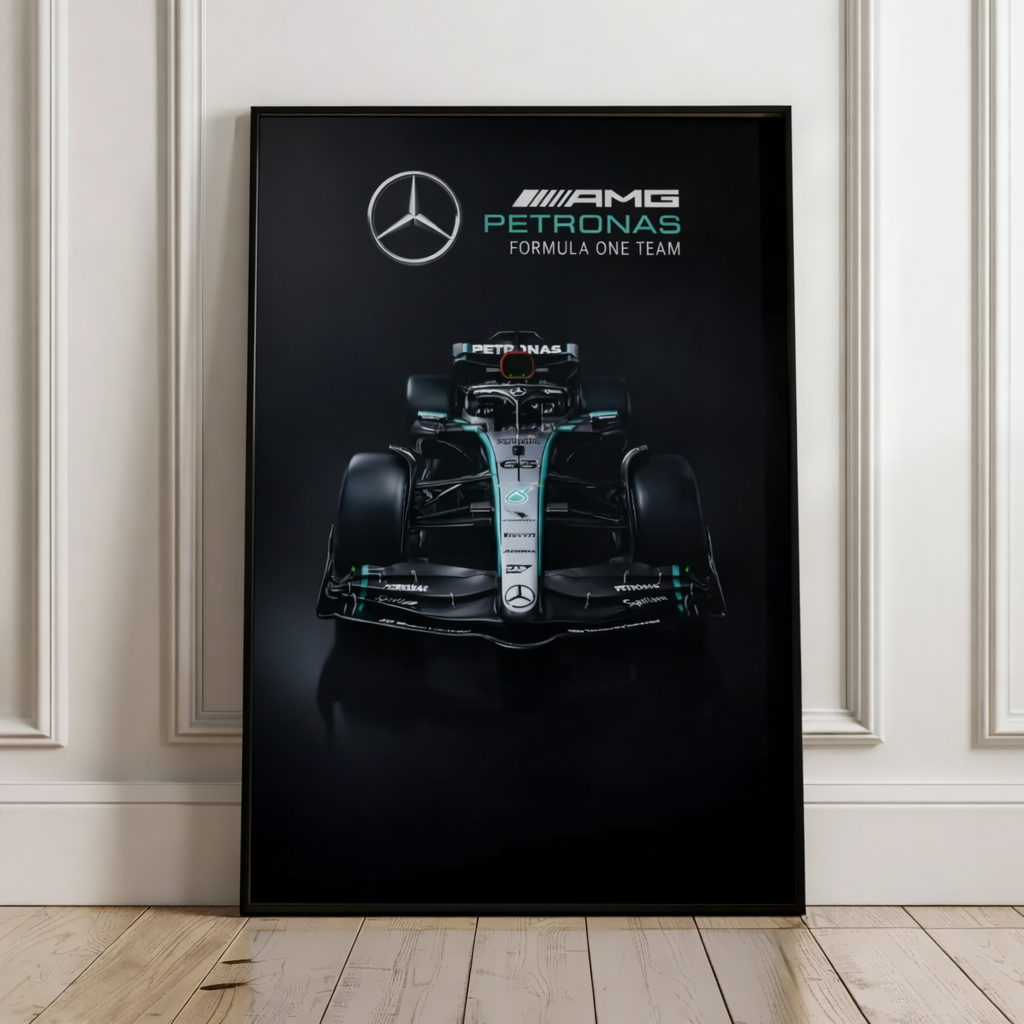
- The Front Wing: The first point of contact with the air, directing flow around the tires and toward the underbody.
- The DRS (Drag Reduction System): Introduced in 2011, this flap on the rear wing opens to reduce drag and increase top speed on straights, facilitating overtaking.
- Venturi Tunnels: Re-introduced in 2022, these use "ground effect" to pull the car toward the track, minimizing the "dirty air" left behind for following cars.
Mastering these flows is the difference between a podium finish and a mid-field struggle.