The Evolution of Speed: A History of Formula 1
Formula 1 is the pinnacle of automotive engineering and human endurance. Since its official inception in 1950, it has transformed from a dangerous, gentleman’s pastime into a multi-billion-dollar global spectacle.
Formula 1 is the pinnacle of automotive engineering and human endurance. Since its official inception in 1950, it has transformed from a dangerous, gentleman’s pastime into a multi-billion-dollar global spectacle. The "Formula" refers to the set of rules to which all participants' cars must conform.
1950s: The Era of the Titans
The first-ever World Championship race took place at Silverstone, UK, in 1950. The early years were dominated by front-engined "monsters" from manufacturers like Alfa Romeo, Ferrari, and Mercedes-Benz.
- The Hero: Juan Manuel Fangio, the "Master," won five titles with four different teams—a record that stood for 46 years.
- The Risk: Safety was almost non-existent; drivers wore leather caps and short-sleeved shirts, and hay bales served as barriers.
1960s: The Rear-Engine Revolution
In the late 50s and early 60s, a tiny British team called Cooper turned the sport on its head by placing the engine behind the driver. This improved weight distribution and handling so drastically that the front-engine design vanished almost overnight.
- Innovation: Lotus founder Colin Chapman introduced the monocoque chassis (using the car's body as a structural element rather than a separate frame), making cars lighter, stiffer, and faster.
- The Legend: Jim Clark became the era's benchmark, known for his smooth style and unmatched natural talent.
1970s & 80s: Aerodynamics and Turbo Power
This era saw cars grow wings. Engineers realized that by "upside-downing" airplane wing technology, they could use air to push the car into the track, allowing for incredible cornering speeds.
- Ground Effect: In the late 70s, "ground effect" cars literally sucked themselves to the tarmac using shaped underbodies. This was later banned due to the extreme speeds and danger if the "seal" with the ground was broken.
- The Turbo Monsters: In the 1980s, engines moved from naturally aspirated V8s to tiny 1.5L turbocharged engines that could produce over 1,000 horsepower in qualifying trim—the most powerful cars F1 has ever seen.
1990s: Electronics and Tragedy
The early 90s were defined by "active" technology—suspension that adjusted itself in real-time and traction control. However, 1994 changed the sport forever. After the death of Ayrton Senna at Imola, F1 embarked on a decades-long crusade to make the sport as safe as humanly possible.
2000s to Present: The Modern Dominators
The turn of the millennium saw the rise of the "super-teams" and long periods of dominance by single drivers:
- The Schumacher Era (2000–2004): Michael Schumacher and Ferrari won five consecutive titles.
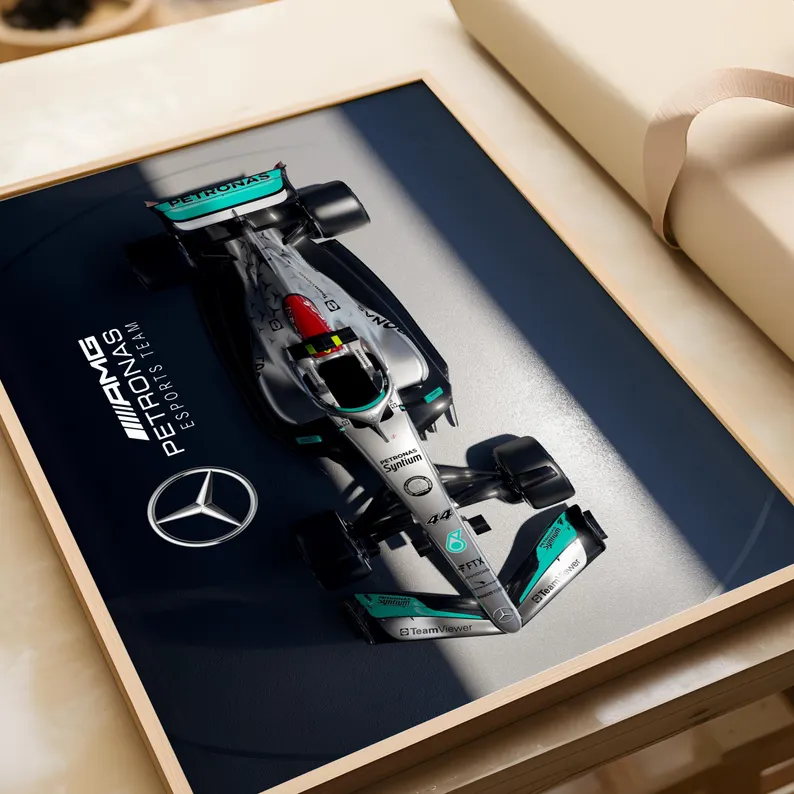
- The Hybrid Revolution (2014): F1 switched to 1.6L V6 Turbo-Hybrid power units, focusing on energy recovery systems.
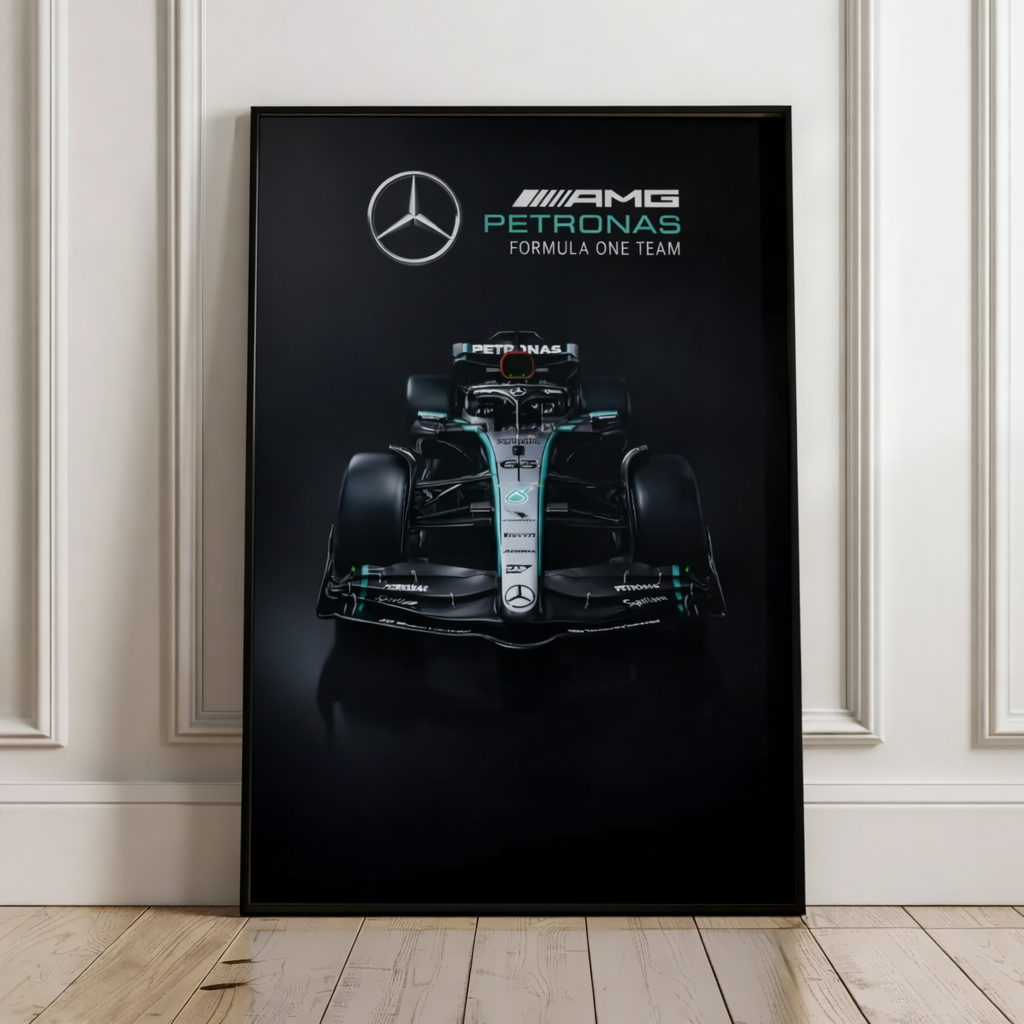
- Hamilton & Verstappen: Lewis Hamilton rewrote the record books with Mercedes, followed by the current era of Max Verstappen and Red Bull's technical mastery.
| Era | Key Engine Tech | Iconic Champion |
|---|---|---|
| 1950s | Front-engine 4.5L | Juan Manuel Fangio |
| 1970s | 3.0L V8 (Cosworth DFV) | Niki Lauda |
| 1980s | 1.5L Turbo | Ayrton Senna |
| 2000s | 3.0L V10 | Michael Schumacher |
| 2014+ | 1.6L V6 Turbo-Hybrid | Lewis Hamilton |
2026 and Beyond: The Future
As of 2026, the sport is entering a radical new era with power units featuring a 50-50 split between internal combustion and electrical power, running on 100% sustainable fuels. F1's goal is to be Net Zero Carbon by 2030, proving that the "pinnacle of motorsport" can lead the way in green technology.