Education
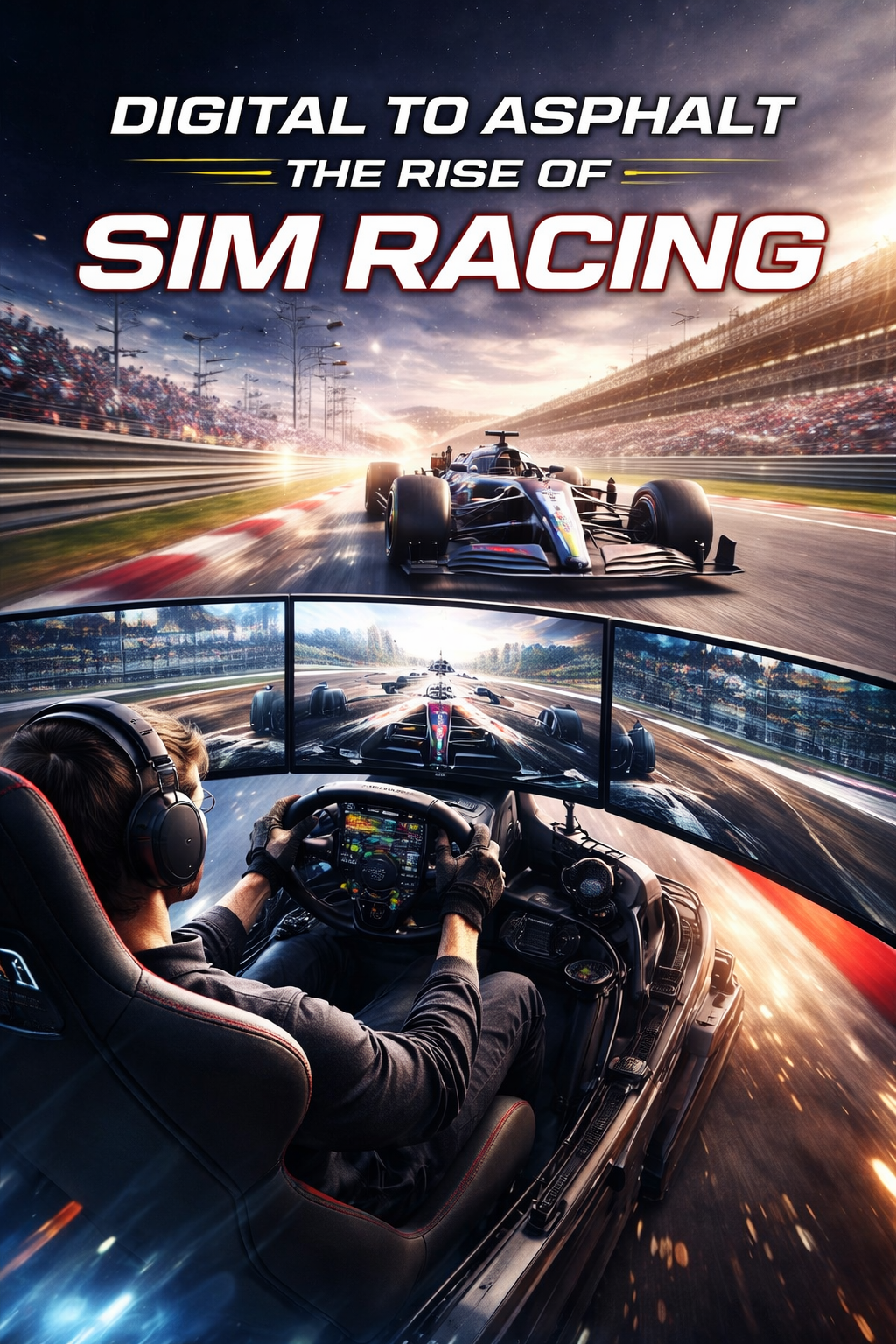
Digital to Asphalt: The Rise of Sim Racing
How professional simulators and high-end gaming are blurring the lines between virtual competition and real-world F1 racing.
Author
ND
NovaTrax Editorial
NovaTrax Dynamics
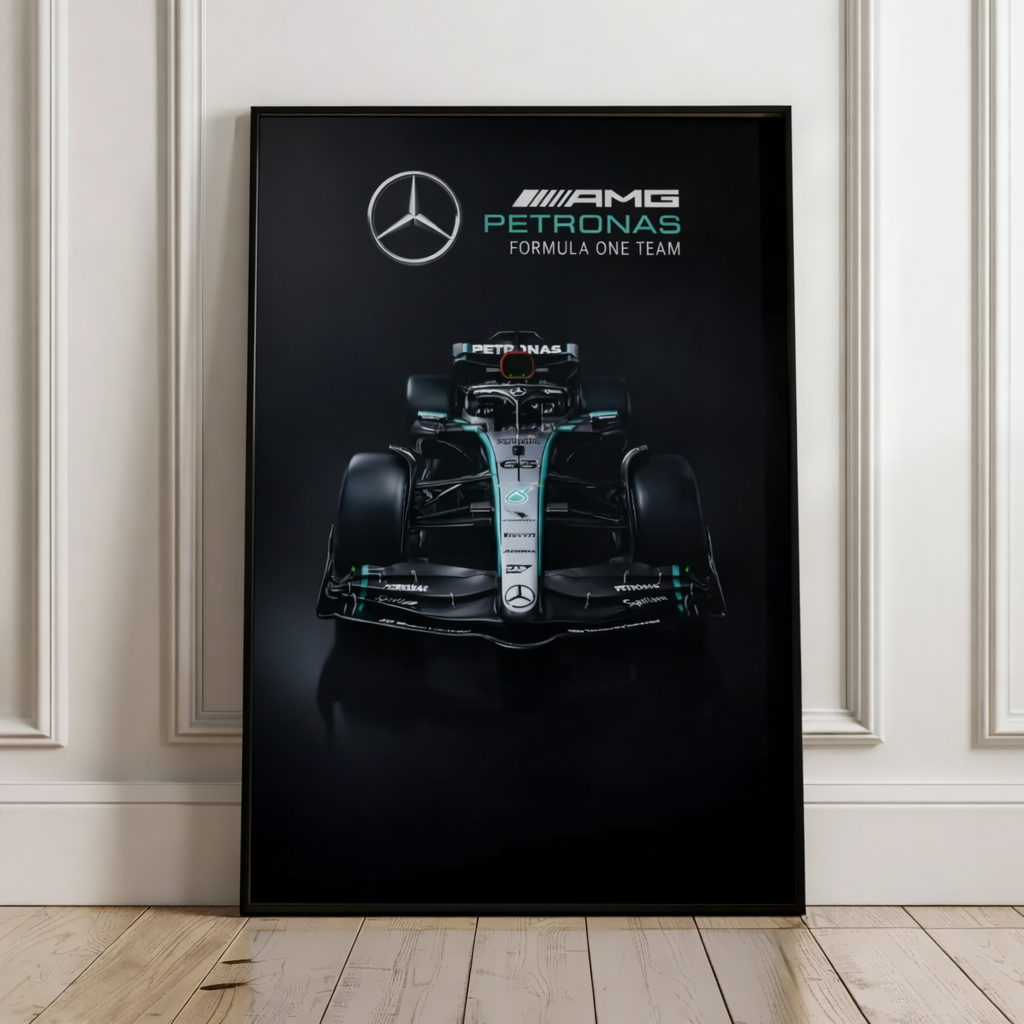
The gap between "gaming" and "racing" is disappearing. Modern Formula 1 teams spend millions on simulators that use the same telemetry data as the real cars, allowing drivers to practice every turn before they even arrive at the track.
Subscribe To Continue Reading
Pay Kshs 150 today to unlock this article and future premium stories for 1 month.