The World of RC Racing: More Than Just "Toy Cars"
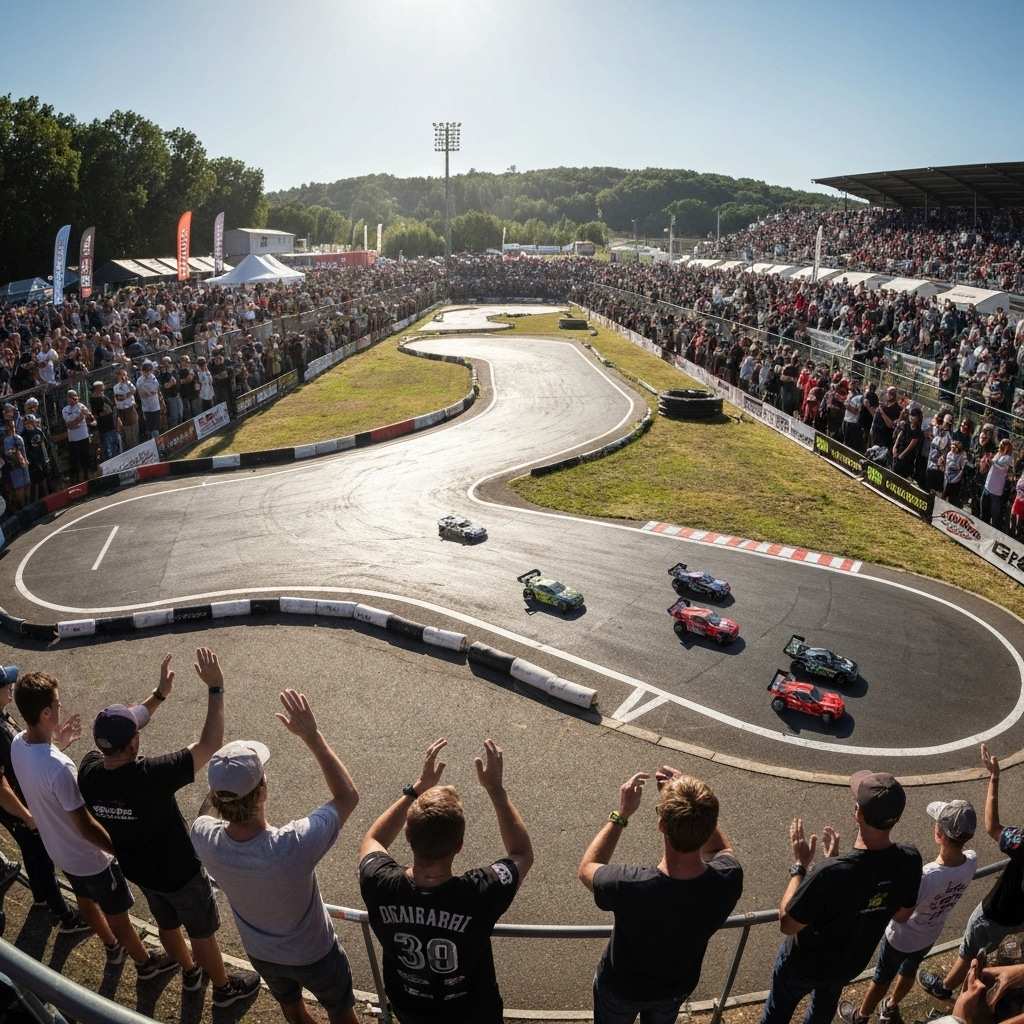
If you think Radio-Controlled (RC) racing is just kids driving plastic trucks around a driveway, you're missing out on one of the most high-tech, adrenaline-fueled hobbies on the planet.
If you think Radio-Controlled (RC) racing is just kids driving plastic trucks around a driveway, you're missing out on one of the most high-tech, adrenaline-fueled hobbies on the planet. From professional world championships to grassroots local tracks, RC racing is a global phenomenon that sits at the intersection of motorsports, precision engineering, and competitive gaming.
What Exactly is RC Racing?
At its core, RC racing involves piloting miniaturized vehicles via a handheld transmitter. However, "miniaturized" doesn't mean simple. These machines are sophisticated feats of engineering, often mimicking their full-scale counterparts in every way—from adjustable suspension geometry to functional aerodynamics.
The Categories of Competition
The world of RC racing is divided into several distinct "classes" based on scale, surface, and power source:
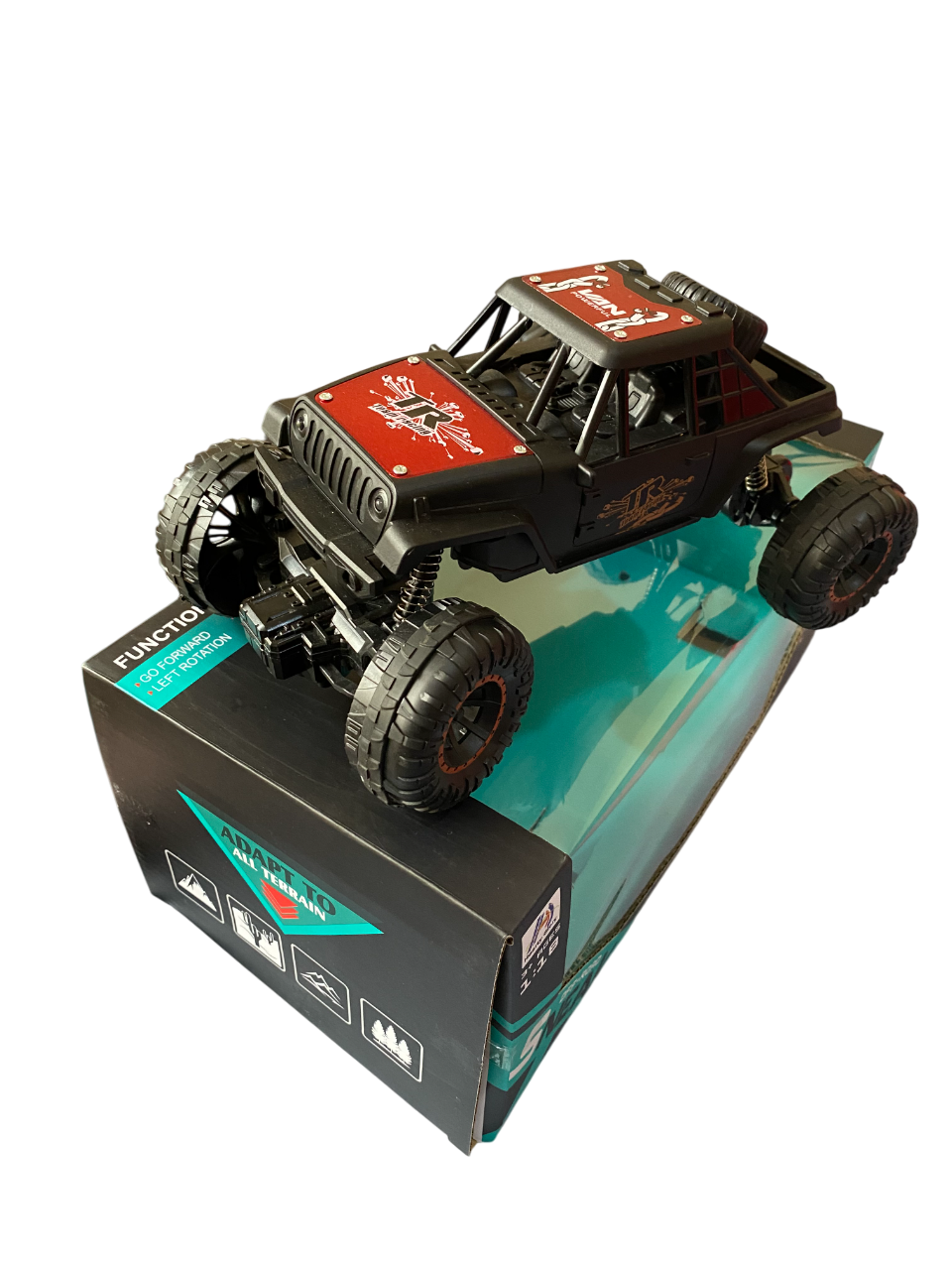
Scale: The most common sizes are 1/10 (popular for off-road and touring) and 1/8 (the "beasts" of the RC world, often nitro-powered).
Surface:
- On-Road: Races take place on smooth asphalt or carpet tracks. High grip and extreme speeds are the focus.
- Off-Road: These tracks feature jumps, bumps, and loose dirt, requiring cars with long-travel suspension and specialized tires.
Power Source:
- Electric: Powered by high-discharge LiPo (Lithium Polymer) batteries and brushless motors. They are incredibly fast and currently dominate the market.
- Nitro: These cars run on a mix of nitromethane, methanol, and oil. They feature actual internal combustion engines that scream at over 30,000 RPM, providing a visceral experience with real exhaust and sound.
Why People Race: The Three Pillars
Technical Mastery: Half the race is won on the "wrenching" table. Drivers spend hours tuning their camber, toe-in, shock oil viscosity, and gear ratios to shave tenths of a second off their lap times.
The Community: Whether it's a dusty track in rural Thailand or a high-end indoor facility in Ohio, RC racing thrives on community. It's a "paddock culture" where veterans help newcomers solder wires or find the right tire compound.
The Skill Ceiling: Driving a car that can hit 60 mph in under two seconds while you are standing 50 feet away requires immense hand-eye coordination and spatial awareness.
A Global Sport
The hobby is governed by international bodies like IFMAR (International Federation of Model Auto Racing), which hosts biennial World Championships. Countries like Japan, the USA, Italy, and Germany are perennial powerhouses, producing professional drivers who are sponsored by manufacturers to travel the world and compete for titles.
Getting Started
You don't need a factory sponsorship to start. Most beginners begin with a "Ready-to-Run" (RTR) vehicle, which comes pre-assembled. From there, you can find a local club, get some practice laps in, and experience the unique thrill of "shrinking yourself" into the driver's seat of a miniature rocket.
Fun Fact: Professional 1/8 scale nitro buggies can jump over 20 feet in the air and land perfectly on all four wheels, continuing at full speed without skipping a beat.